How it's made
A real editorial process, not a template.
Each book passes through a writers' room, an art department, and seven human checkpoints. AI drafts words and images; editors decide what is true to your child, true to the story, and ready for a reader.
The principle
AI proposes. Editors decide.
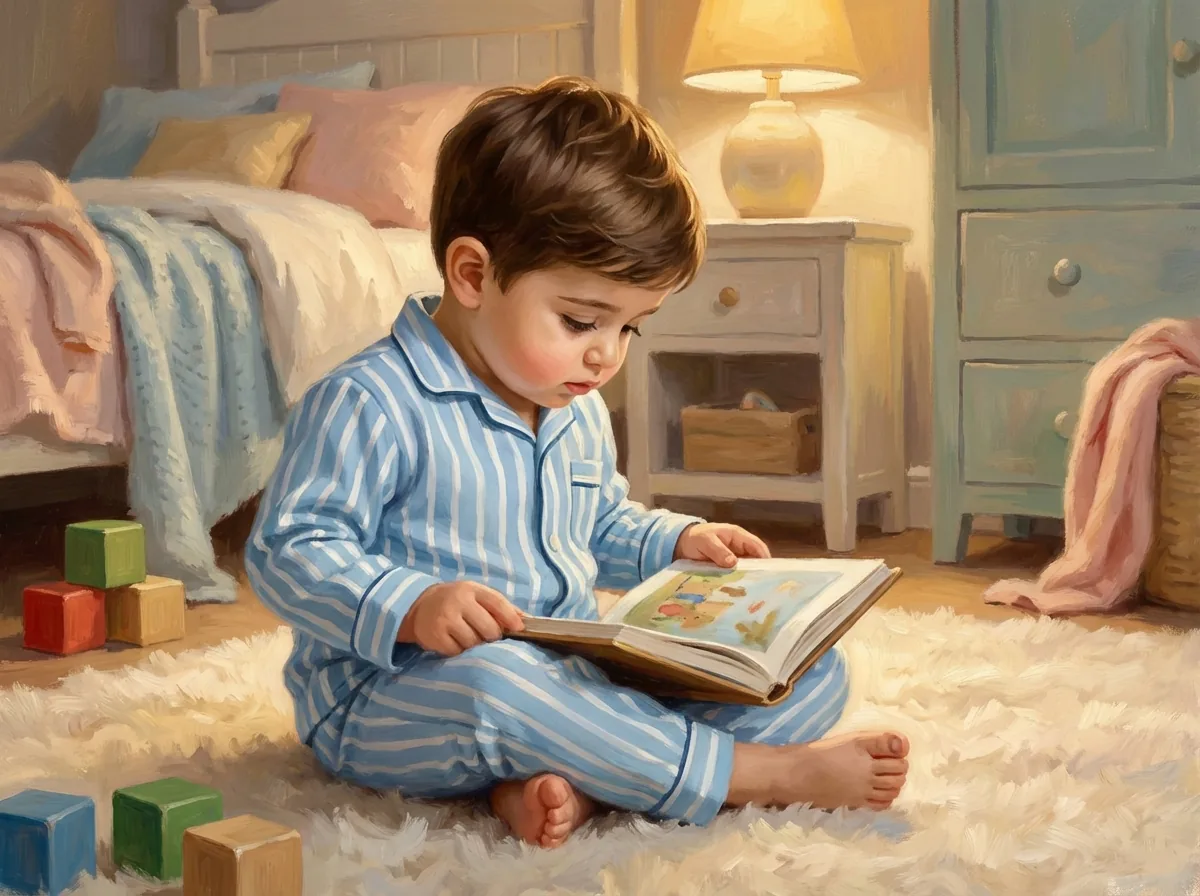
Followed through one book
The pictures on this page are from Leo's book — the same pages his family received.
01
The brief
It starts with your child
You tell us who your child is, and we paint them as the hero from the first page.
- Name, age, personality, and interests
- Favorite things, animals, and places
- The theme and tone you want
- Reference photos for the hero
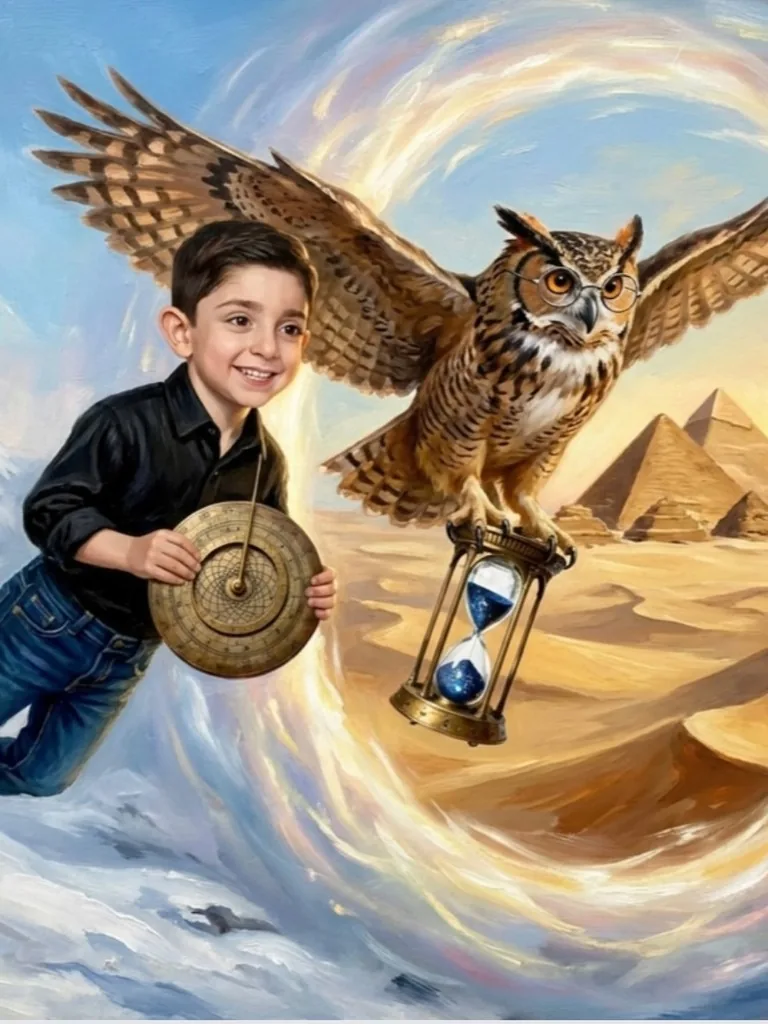
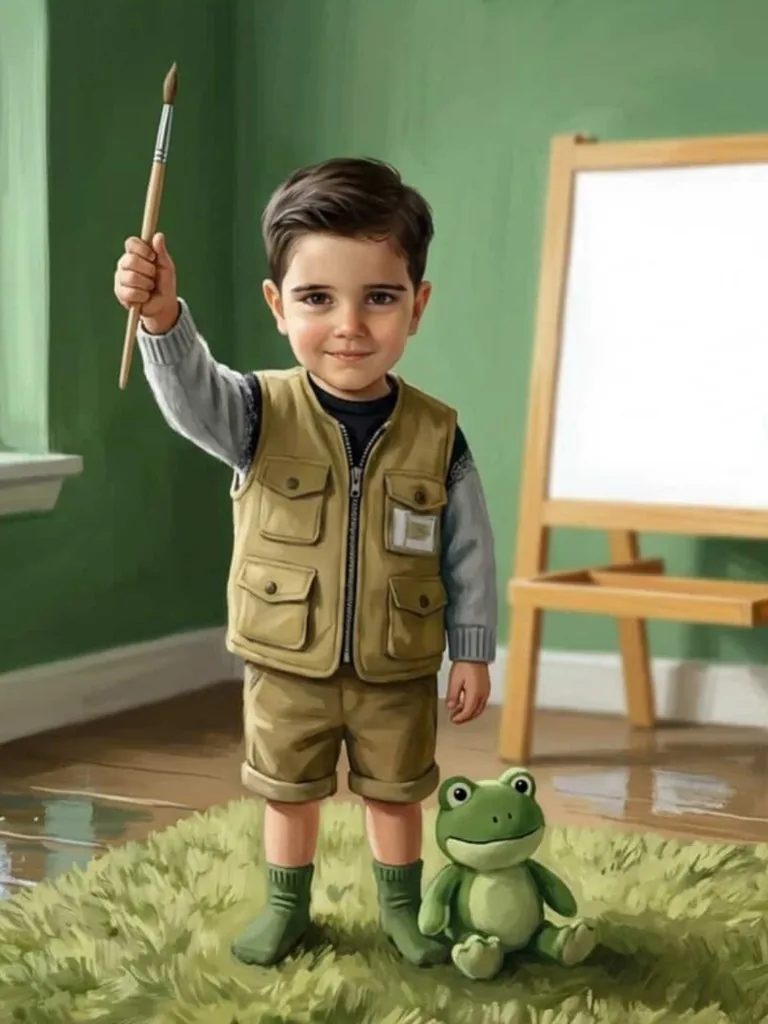
You tell us their name and age, what they love, who is always beside them, the places they know, and the tone the story should carry. A few photos let us paint the hero. Nothing generic is inserted at the end: the child is the hero from the first decision.
02
The story plan
Fourteen story points and a cast
We plan a story that belongs only to your child — fourteen moments from the first wish to the last page.
- A hero with a wish and a weakness
- Companions, and a difficulty that can be resolved
Checkpoint 1 — the outline editor approves the plan. You see the outline in your library and approve it too, before a word of prose is written.
Story point 7 of 14
- Beat
- Plot
- Character
- Emotion
- Stakes
- Setting
- Motif
A story architect lays out a classical arc in exactly fourteen points. Each point carries a beat, a plot event, the character who drives it, the emotion, the stakes, the setting, and a motif that can return. The hero receives a longing and a flaw; supporting characters and a conflict are designed; everything becomes the story bible.
03
The words
Written, tightened, translated
The story is written as a real book, then prepared in English and Armenian so both read as one tale.
- Fourteen scenes that remember what came before
- Written to sit beside a full-page picture
- Two languages, one story
Checkpoints 2 and 3 — the English and Armenian editors approve every scene.
English edition
Leo looked at the red, green, and blue glass squares lying in the snow. Studying the flashing colors on the broken bridge, he recognized the pattern: red, green, blue. Realizing the missing piece must be blue, Leo carefully placed the heavy blue tile into the gap. It clicked and glowed, instantly repairing the bridge. Barnaby the lion praised Leo’s cleverness. Standing tall in his nutcracker coat, a proud Leo led Barnaby across the shining, restored path.
Editor approved
Armenian edition
Լեոն նայեց ձյան մեջ ընկած կարմիր, կանաչ և կապույտ ապակե քառակուսիներին: Ուսումնասիրելով կոտրված կամրջի վրա թարթող գույները՝ նա հասկացավ օրինաչափությունը. կարմիր, կանաչ, կապույտ: Գիտակցելով, որ պակասող մասը պետք է կապույտ լինի, Լեոն զգուշորեն տեղադրեց ծանր կապույտ սալիկը բացվածքի մեջ: Այն չխկոցով տեղն ընկավ և շողարձակեց՝ ակնթարթորեն վերականգնելով կամուրջը: Բարնաբի առյուծը գովեց Լեոյի հնարամտությունը: Մարդուկ-ջարդուկի իր վերարկուով հպարտ կանգնած՝ Լեոն առաջնորդեց Բարնաբիին փայլուն, վերականգնված ճանապարհով:
Editor approved
Each story point becomes a prose scene, and every new scene reads the scenes before it, so characters remember what happened. Each scene is then shaped to sit beside a full-page illustration. An English editor reads the fourteen scenes as one book; the Armenian edition is translated and compared paragraph by paragraph.
04
The storyboard
One key moment per scene
Each scene is given one picture to paint, so the illustrations match the story.
- Who appears, and which objects belong on the page
- Fourteen picture cards, checked and repaired
- Notes so a face, a coat, a place never drift

Finished scene: Leo and the Music Crystal
- Setting
- Snowfield; a glass-tile bridge over an ice ditch, now whole and glowing cobalt
- Cast
- Leo, Barnaby
- Props
- Cobalt glass tile
- Action
- Leo stands on the repaired bridge, hands on the pulsing tile; Barnaby lowers his head in approval
- Camera
- Mid-frontal shot, Leo facing the viewer
- Light
- Blue radiance from the bridge; pale mauve winter sky
- Feeling
- Triumphant, proud
The story is read again as pictures. Recurring characters and important objects are inventoried. From each scene one instant is chosen — not a montage — and written as a storyboard card: setting, visible cast, props, action, camera, light, and feeling. Continuity bibles record what must never drift: a face, a coat, a landmark.
05
The visual world
Portraits and places first
Before the pages are painted, we lock how your child, their companions, and their places look.
- One shared painted style
- A portrait of every character and important object
- A picture of every place, empty of people, so the world is fixed first
Checkpoint 4 — the visual editor approves every portrait and place. The hero's portrait is shown to you in your library for approval as well.
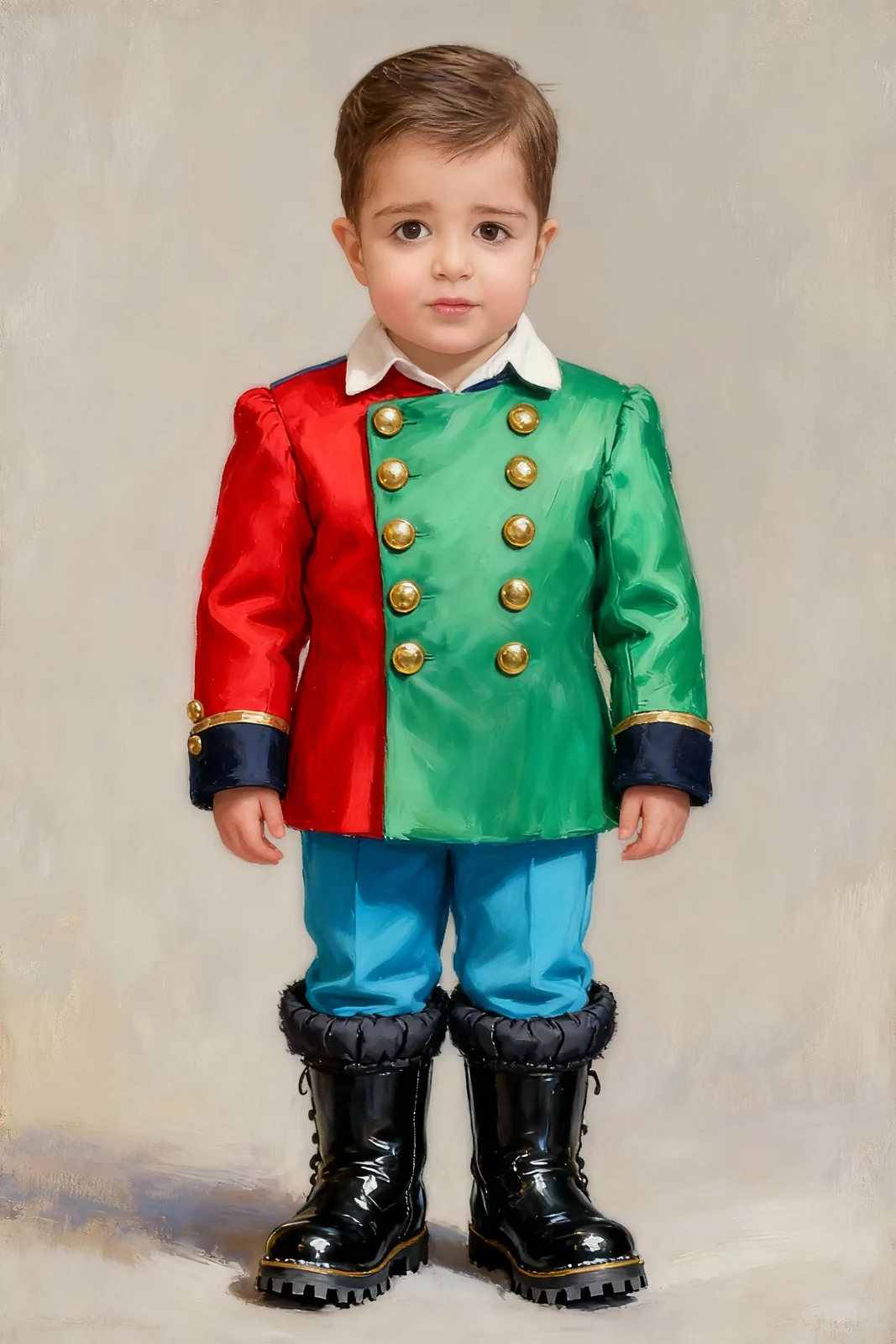
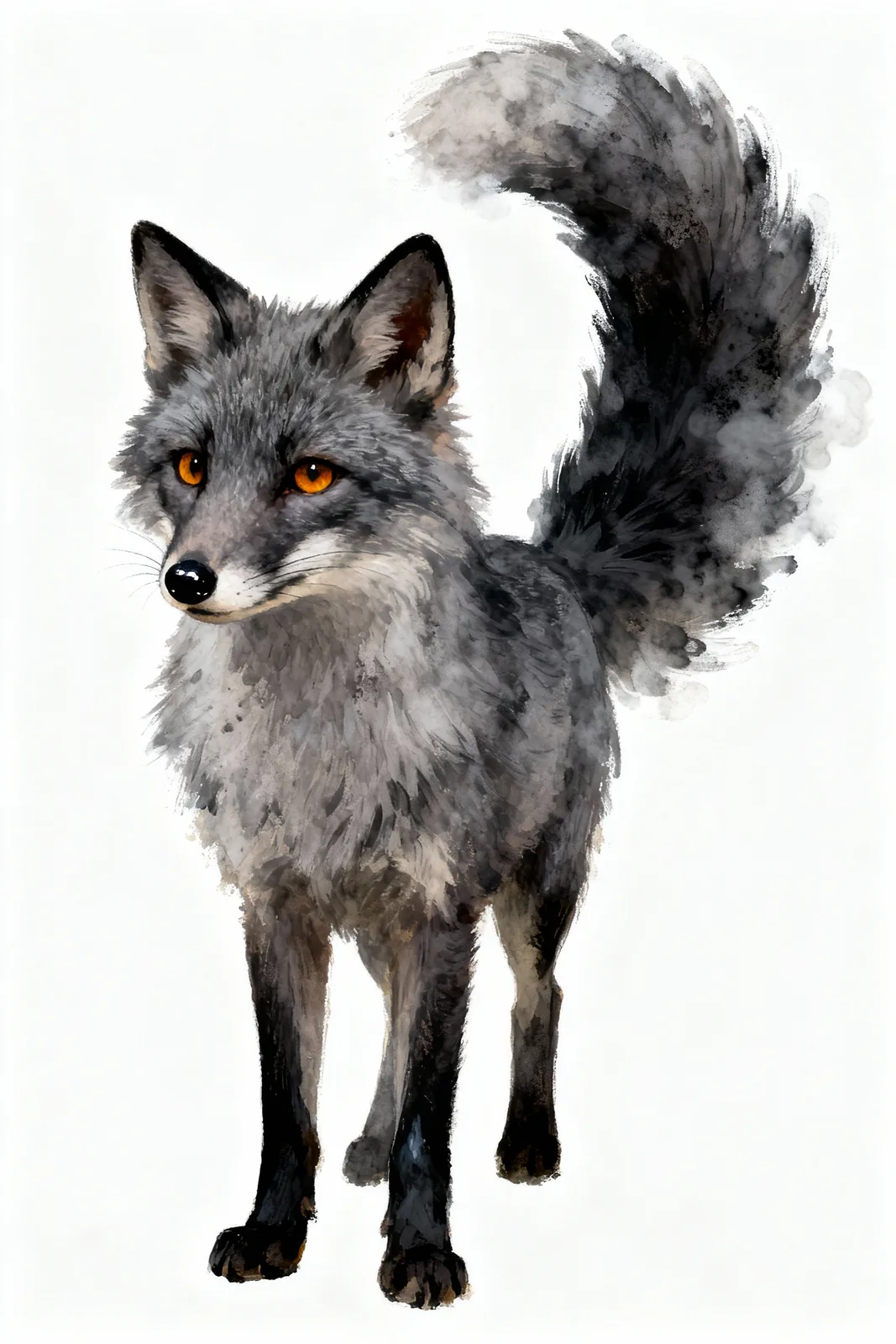
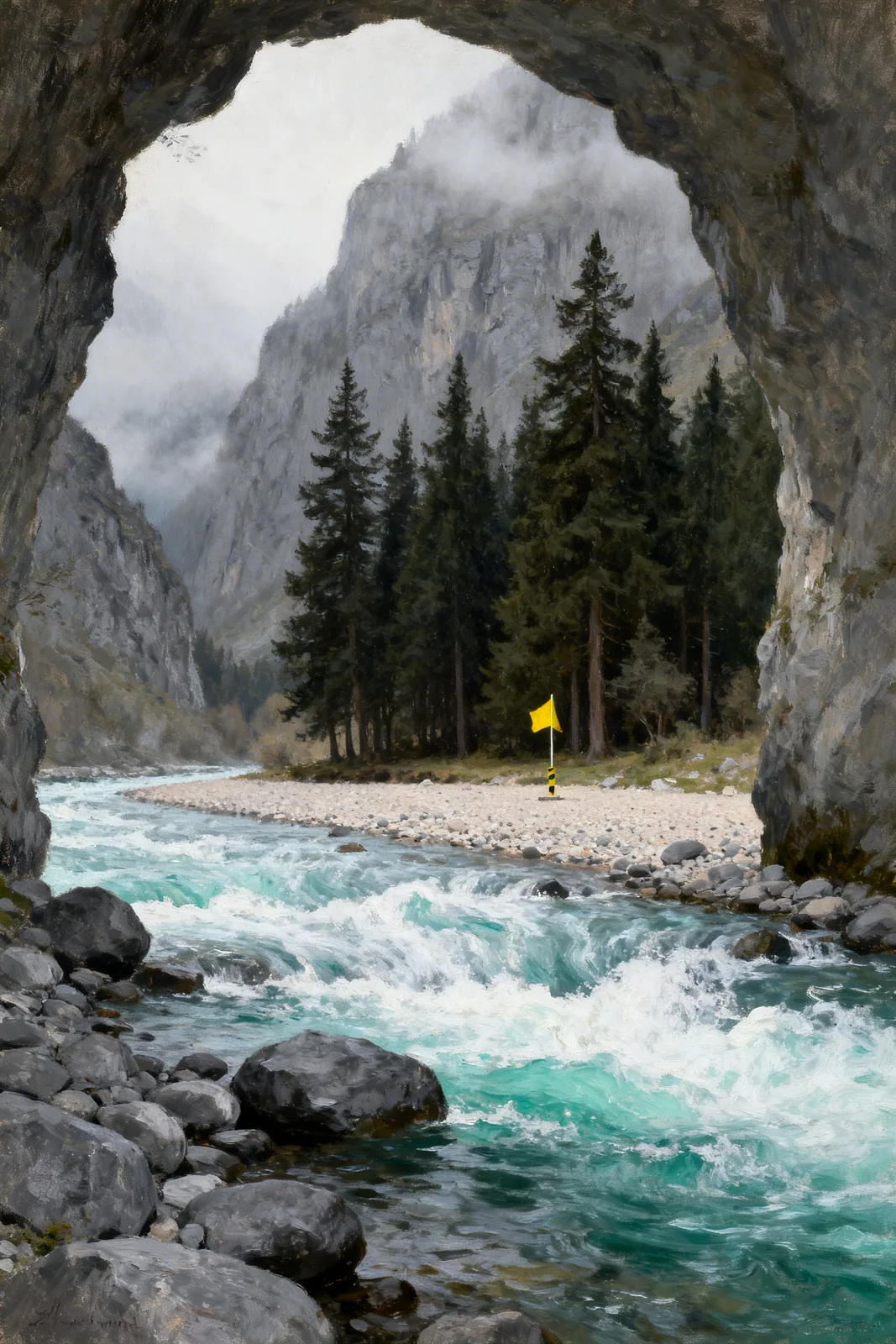
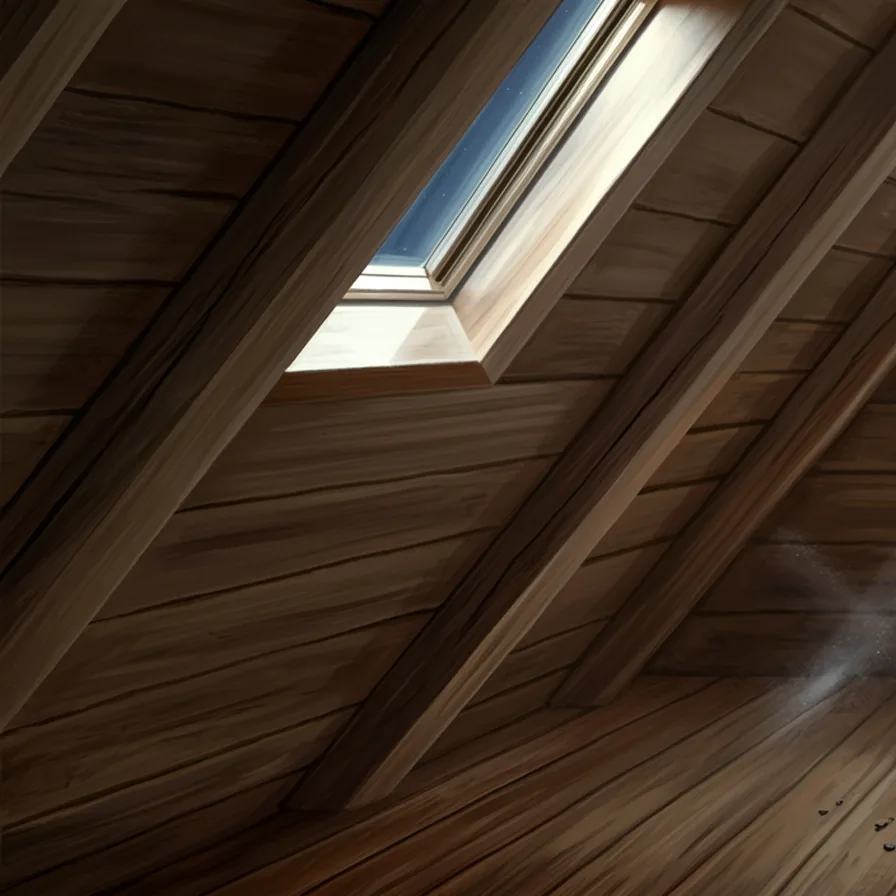
Before any scene is painted, the art direction is fixed: storybook painterly realism — oil texture, soft edges, atmospheric depth, warm neutrals. Every character and object receives a clean model sheet; every location a people-free establishing plate. Only then does the cast enter the world.
06
The pages
Illustrated, assembled, proofed
Then the book is assembled: pictures, text pages, covers — checked until it reads as one.
- Every scene reviewed individually
- Facing-page backgrounds painted for readable text
- Front and back covers composed from the book's own world
Checkpoints 5, 6, and 7 — every scene, every facing background, and the final proof.
Leo scanned the shadowy room, wondering how to reach the high button on the wall. Then, he spotted a large, white-and-red swirled marble resting near a sleeping rat’s tail. It looked just like a small soccer ball.
Leo gently rolled the marble to a smooth spot while Barnaby the lion watched silently. Leo knew the stakes were high: he had only one chance. If he missed, the marble would strike the stone wall, creating a noise loud enough to wake the rats, leaving the Music Crystals locked away forever.
Taking a deep breath, Leo pushed his fear aside. He wasn't too small for this; he was a kicker. Visualizing the button as his backyard goal post, he stepped back and focused.
He swung his leg. Thwack.
Leo kicked the marble perfectly. It spun through the air, sailing over the sleeping rats and zooming straight toward the red button.
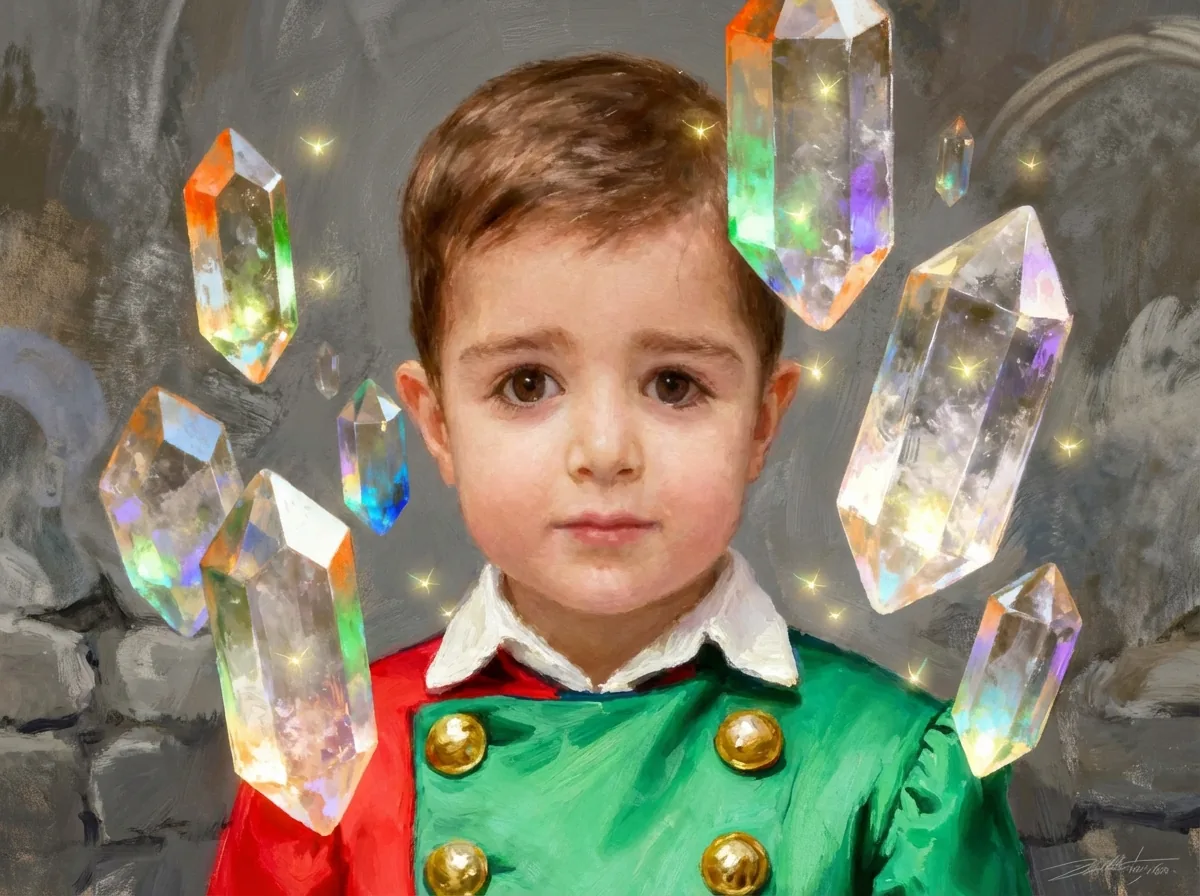
Each illustration is staged from its storyboard card, its approved cast, and its approved place. The visual editor compares every one of the fourteen images with the text and the card, requesting edits or a new painting until the sequence reads as one book. Facing pages receive quiet, extended backgrounds for the text; spreads alternate; covers are composed; both editions are read from first page to last.
Seven human checkpoints
Nothing reaches the page unreviewed.
- 1
Outline
Is this the right story to write for this child?
- 2
English text
Coherent, age-appropriate, polished.
- 3
Armenian text
Faithful and natural, paragraph by paragraph.
- 4
Portraits and places
Likeness, anatomy, costume, world identity, shared style.
- 5
Every scene
Cast, action, place, continuity, composition.
- 6
Facing backgrounds
Seamless, quiet, and ready for text.
- 7
Final proof
Both editions read from first page to last.
Your part
Two approvals are yours.
The outline and your child's portrait are shown in your library before work continues. You can accept, ask for changes, or request a fresh start.
Send a few photos. We'll write and paint the rest.
Tell us the dearest facts about your child, their small successes, victories, even fears… Those will become the heart of their story.
Your photos are used only to paint the likeness and are never published.